I’m Binjie Wang, a first-year CS PhD student at the Courant Institute, New York University, advised by Prof. Chen Zhao and Prof. He He. I received my bachelor’s degree from Fudan University.
I’m broadly interested in making language models more capable and reliable on real-world tasks. My current research interests lie in code generation, continual learning, and agentic reasoning.
Language models increasingly create 3D content through code, with practical workflows often relying on editing existing programs rather than regenerating them, for speed and precise control. Such edits require understanding what a program builds and foreseeing how a change reshapes it, yet prior benchmarks mostly evaluate generation or simple edits against a reference. In this paper, we introduce 3DCodeEdit, a benchmark of 2,592 instruction-guided editing tasks over 108 Blender programs that construct objects entirely in code. Its edits range from parameter to structural changes, style redesign, and scene composition, and are judged from renders against human-reviewed checklists. Across 17 models, the average success rate is only 37%, and even the strongest models complete fewer than 60% of structural and style edits. As models become more capable, their failures shift to geometric foresight, where the code runs but builds the wrong shape. We therefore study whether multi-turn feedback can compensate for this missing foresight. Feedback from a separate reviewer model that describes how the renders differ from the request helps most, more than maximum reasoning effort or an agent harness, and can let a 27B model surpass the single-shot rate of a 2.8T-parameter model.
DualEdit: Dual Editing for Knowledge Updating in Vision-Language Models
Zhiyi Shi*, Binjie Wang*, Chongjie Si, and 3 more authors
In Second Conference on Language Modeling(COLM), 2025
Halu-J: Critique-Based Hallucination Judge
Binjie Wang, Steffi Chern, Ethan Chern, and 1 more author
In AAAI 2025 Workshop on Preventing and Detecting LLM Misinformation (PDLM), 2025


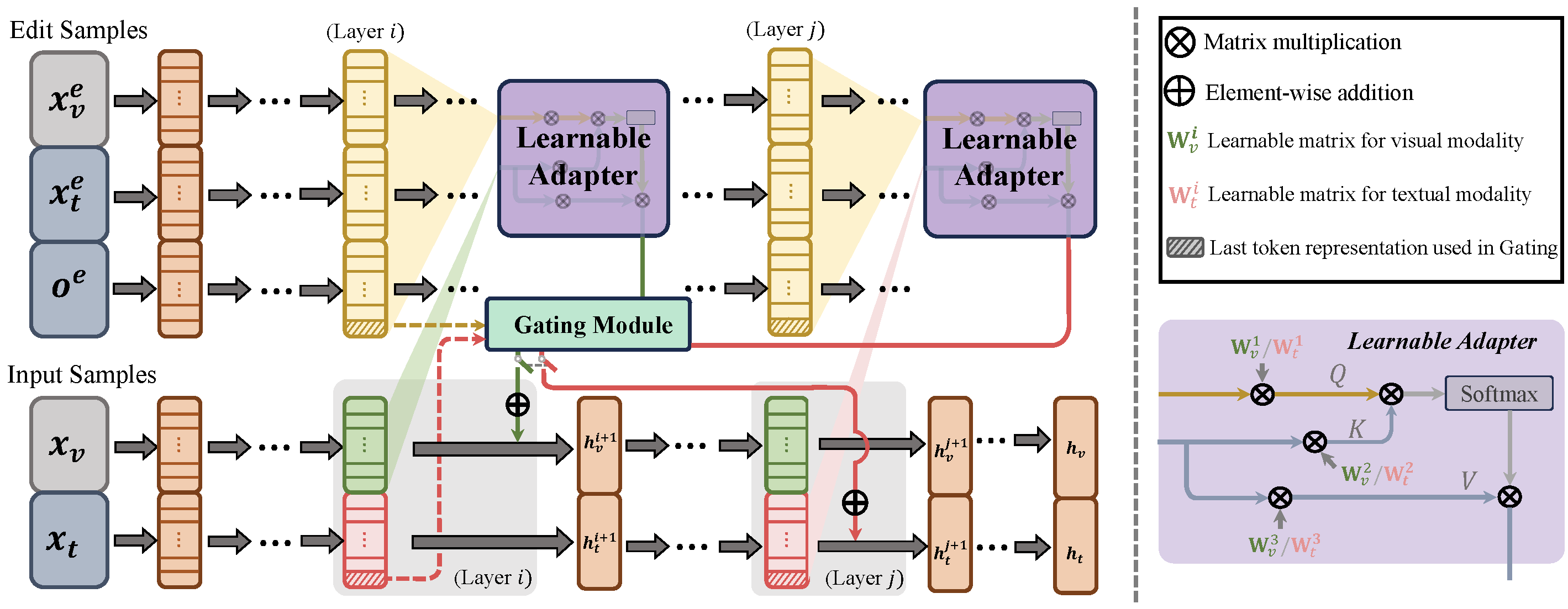 DualEdit: Dual Editing for Knowledge Updating in Vision-Language ModelsIn Second Conference on Language Modeling(COLM), 2025
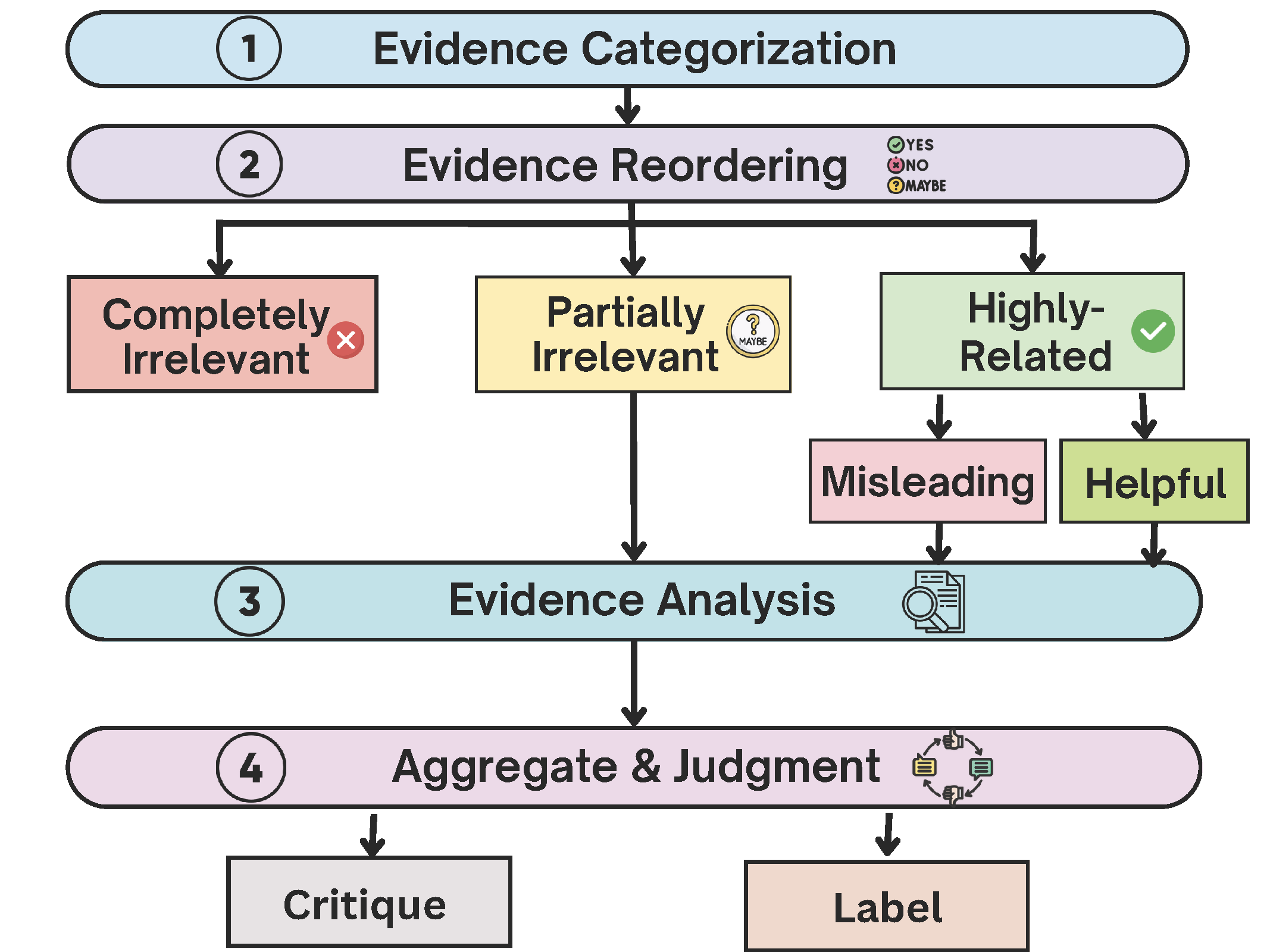 Halu-J: Critique-Based Hallucination JudgeIn AAAI 2025 Workshop on Preventing and Detecting LLM Misinformation (PDLM), 2025